Understand the available techniques, compare their outputs, and explore the instruments used in our laboratory.

Real laboratory photograph: Malvern Mastersizer 2000 in use
What is PSD analysis?
Particle size analysis determines the size and distribution of particles within a material, providing essential information about material characteristics, product quality, and process performance. In mining and mineral processing, it helps optimize extraction efficiency, improve resource utilization, and support environmental management. Different analytical techniques can be used depending on the sample properties and testing objectives.
Explore the two available techniques below. Laboratory staff can help assess sample suitability before testing.
Choose an analytical technique
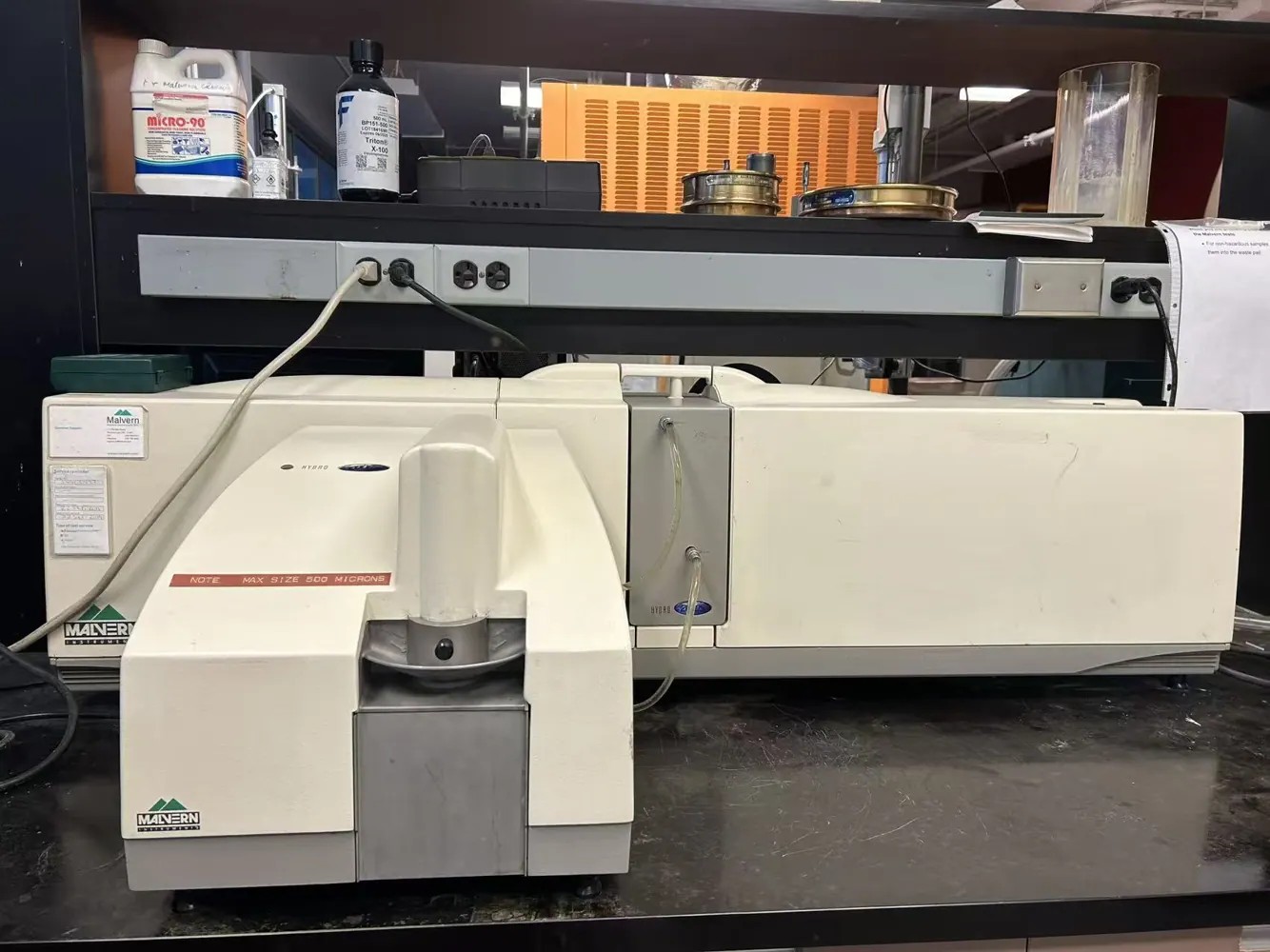
Laser Diffraction
Laser diffraction measures light scattered by dispersed particles to estimate particle size distributions.
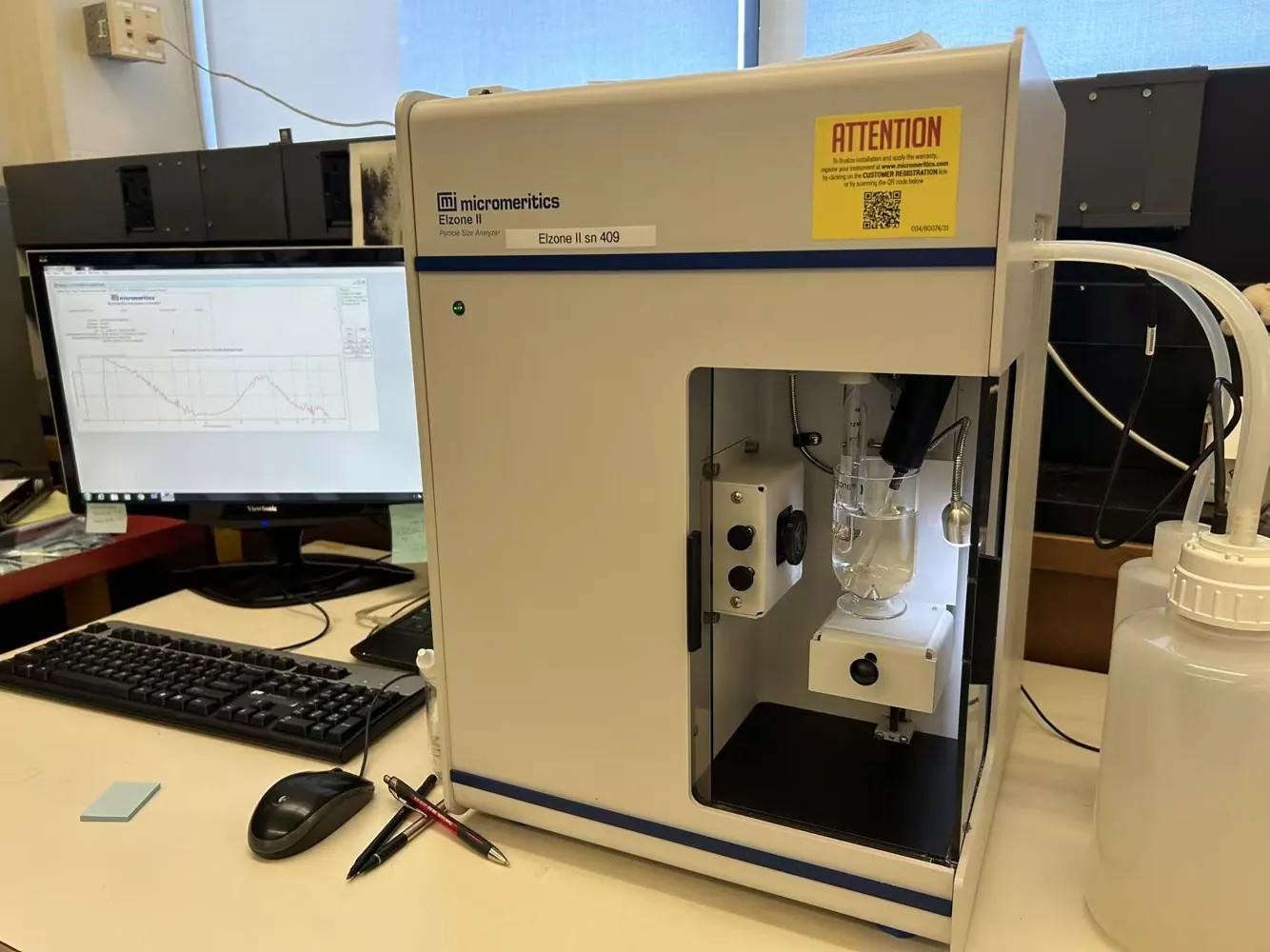
Electrical Sensing Zone (ESZ)
Electrical sensing zone technology measures changes in electrical resistance as individual particles pass through an aperture.
How do the methods differ?
| Feature | Laser diffraction | Electrical sensing zone (ESZ) |
|---|---|---|
| Measurement principle | Light scattering | Changes in electrical resistance as particles pass through an aperture |
| Common output | Volume-based size distribution | Particle counts and size distribution |
| Sample consideration | Appropriate dispersion and optical properties | Suitable conductive electrolyte and aperture selection |
Not sure which technique is suitable?
Tell the technical team about your material, expected particle size, sample quantity and desired result. We can discuss the appropriate method before you submit samples.